
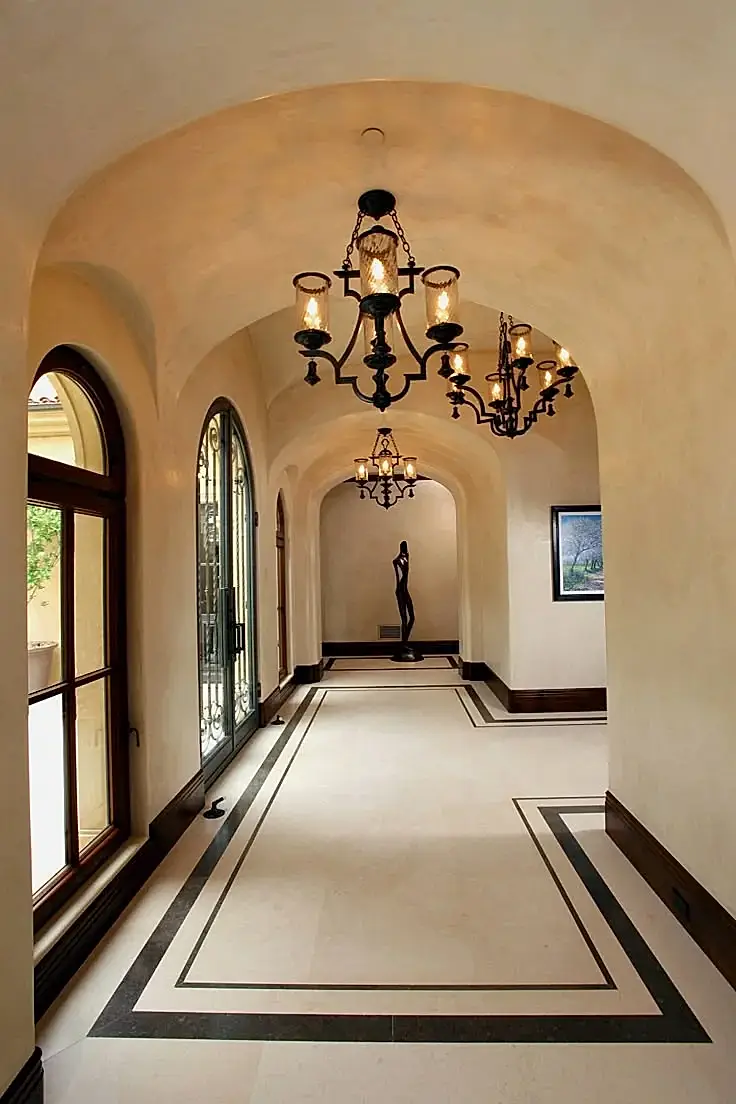
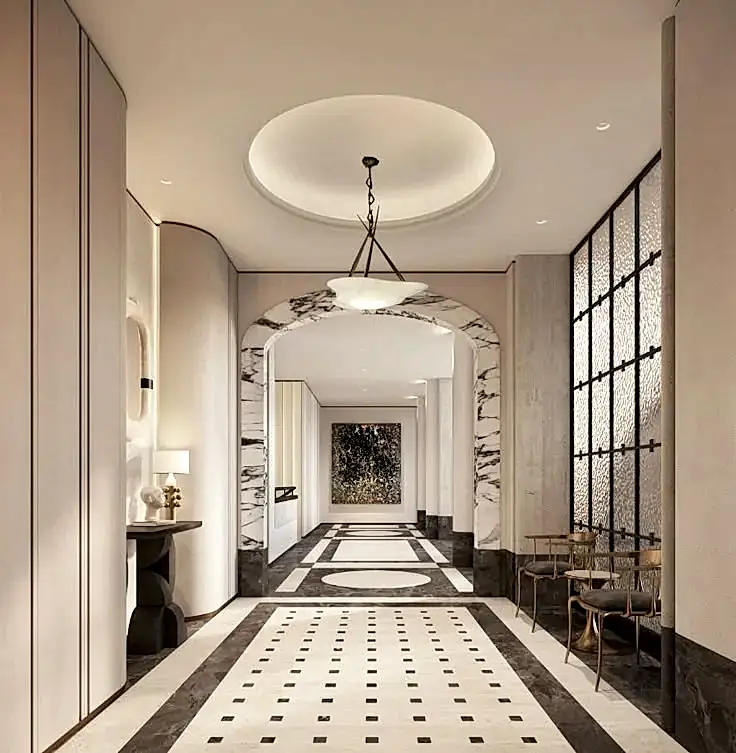
Marble border

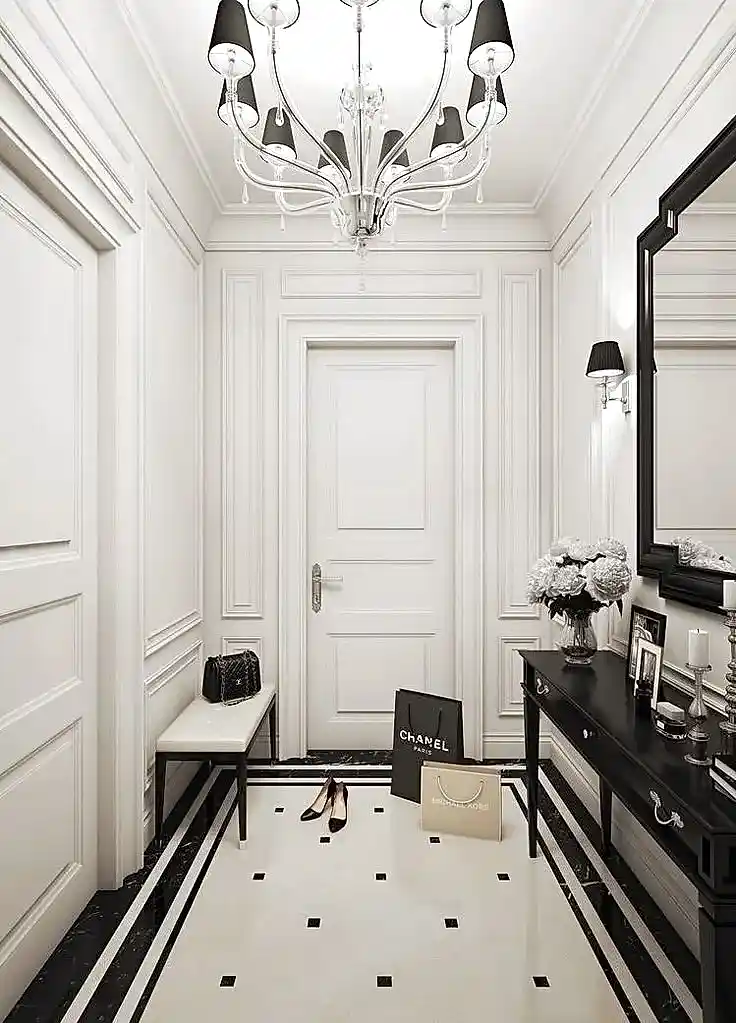
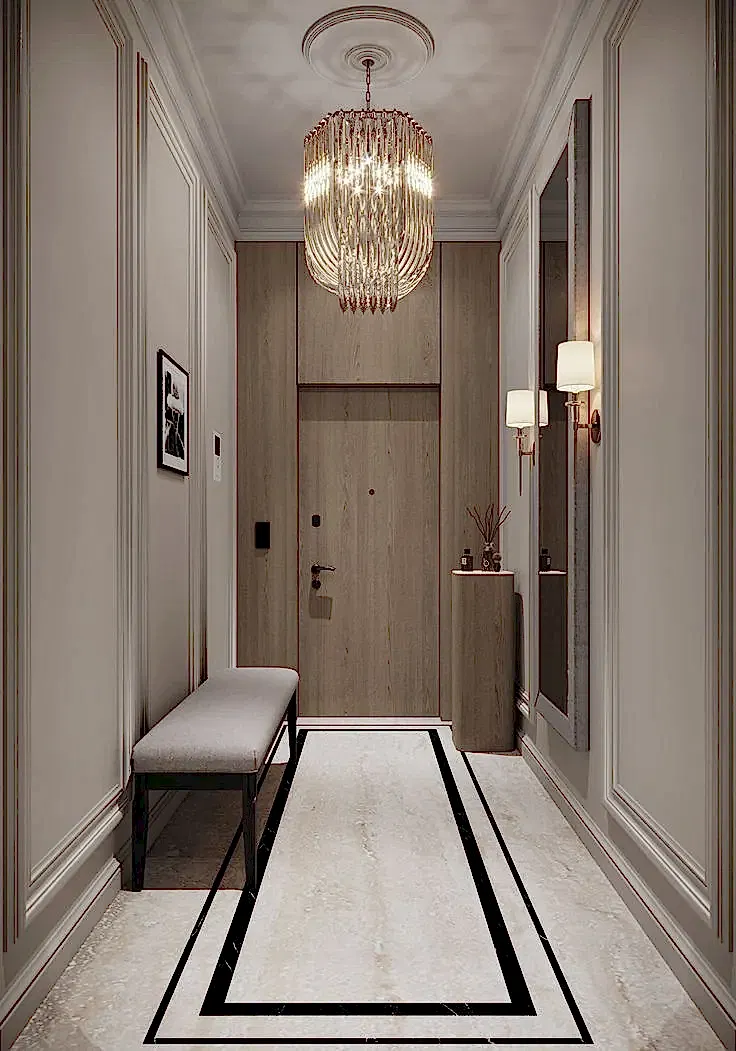
Marble Borders: Define, Enhance, and Add Elegance
What Is a Border?
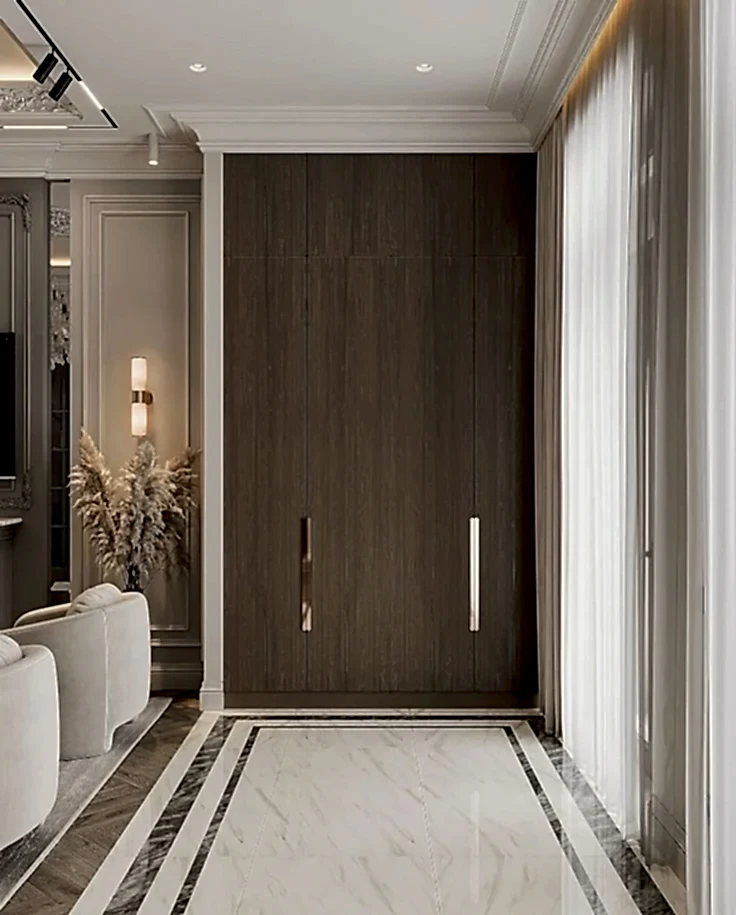
A border is a strip that frames the main surface covering on floors or walls, defines boundaries, and provides a decorative transition. It’s typically applied using a different material, color, or pattern.
Why Use Borders?
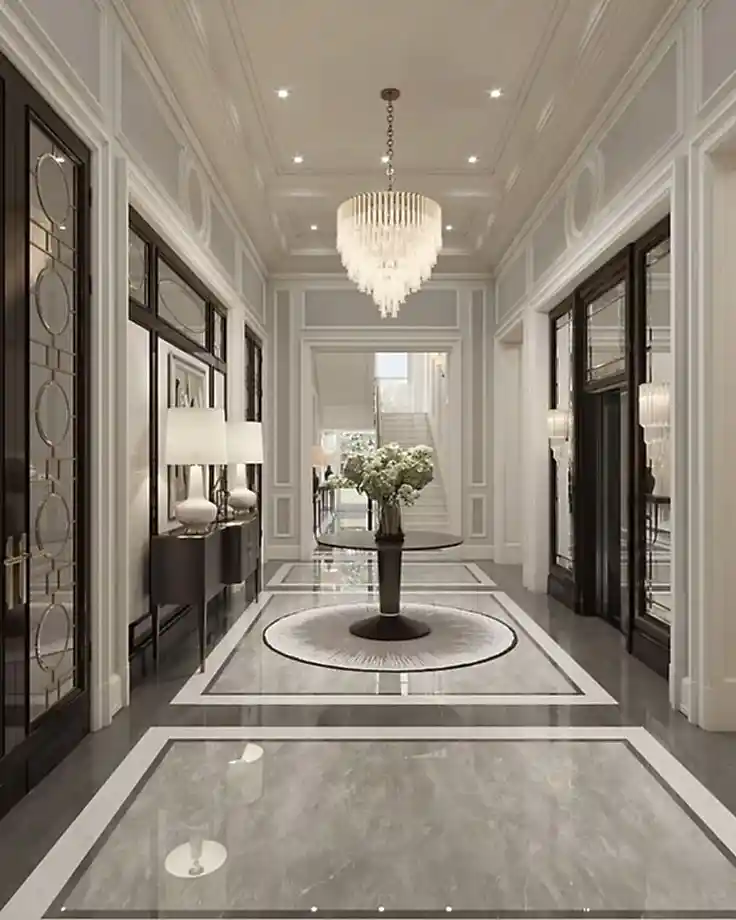
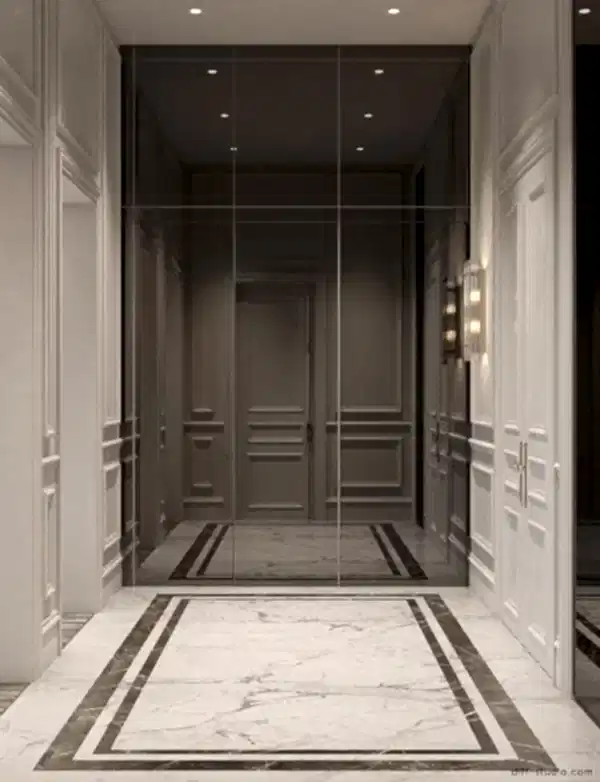
Borders are an ideal solution for visually separating different parts of a space. Especially in long hallways or transitional areas, they create a guiding effect that gives the space a more structured and organized appearance.
They are also frequently used to break the monotony of plain flooring. Though they may seem like a small detail, borders add movement and a touch of elegance to the area.
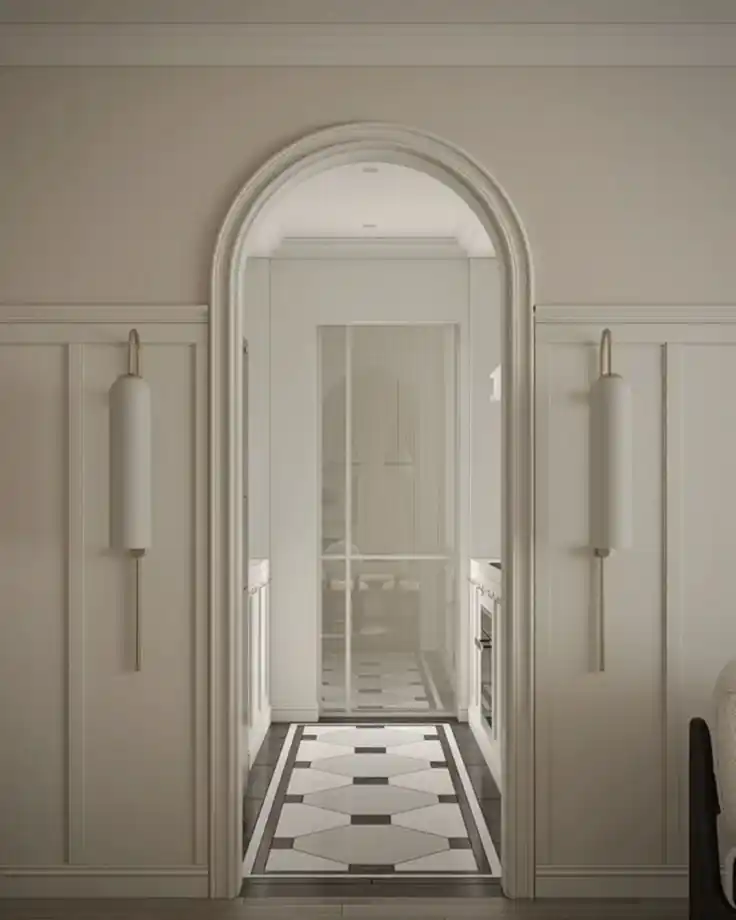
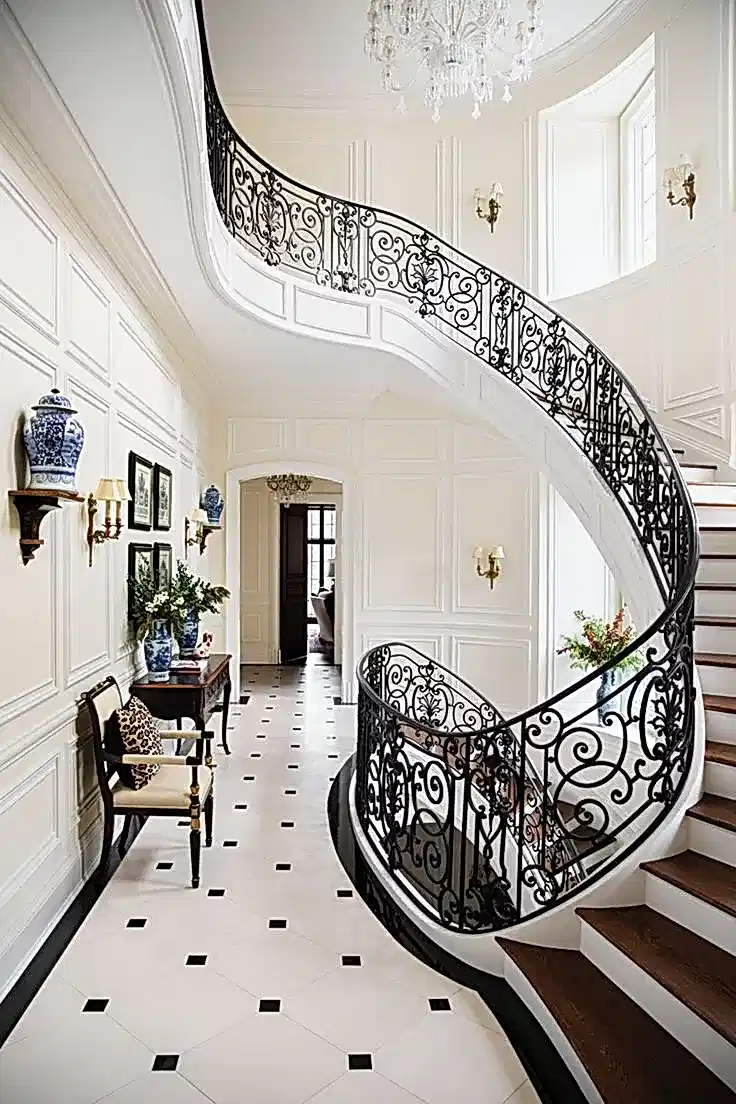
Additionally, they create a smooth transition between different floor coverings or patterns. This helps preserve visual harmony and allows the use of different surfaces without disrupting overall design consistency.
Why Choose Marble Borders?
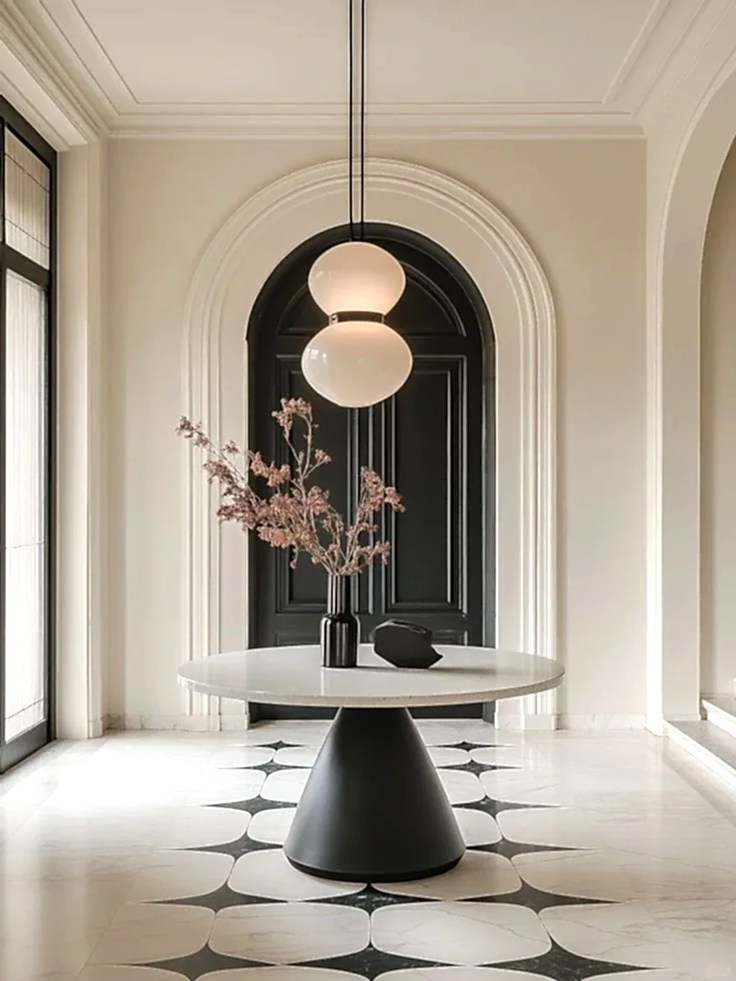
Marble borders are one of the most effective ways to bring elegance to floors. Sometimes subtle and refined, sometimes bold with dramatic veining, they become an eye-catching feature in any space. They’re a great choice for those who pay attention to detail and want to make a difference with small touches.
Not only do they offer aesthetic appeal, but marble borders are also highly durable. Even in high-traffic areas like entrances and corridors, they remain a long-lasting solution. They also pair easily with other natural stones like granite and travertine, complementing the overall design without clashing.
Things to Consider When Choosing and Applying Marble Borders
Proportional Width:
In small areas, overly thick borders can feel overwhelming. The width should be proportional to the space.Pattern Harmony:
If the floor has a patterned layout, the border should complement this design. A randomly chosen border may disrupt the overall flow.Precision in Cutting and Application:
Accurate cutting and alignment are crucial during installation. Since borders are often at eye level and in transition points, any flaws will be easily noticed.Natural Vein and Color Variations:
As a natural material, marble can have differences in veining and tone from one piece to another. All pieces should be laid out beforehand to check visual continuity and identify mismatches.Surface Texture and Gloss Consistency:
Some marble types have high gloss. If the surrounding floor is matte or textured, the border’s surface finish should be adjusted accordingly to avoid a jarring transition.
Decorative Tips with Marble Borders
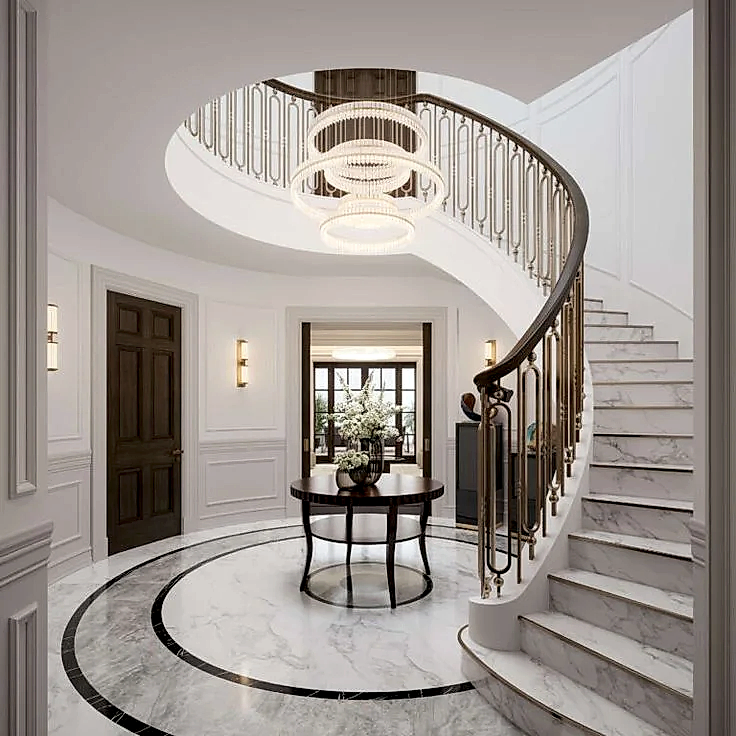
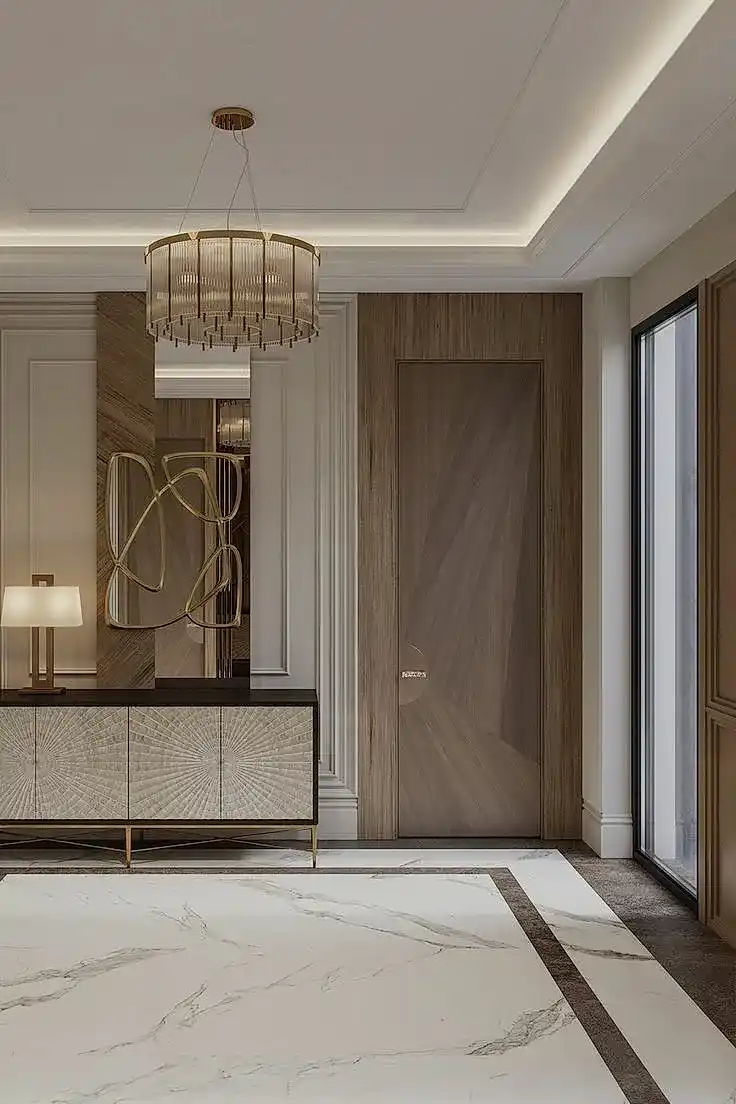
Create a rug-like look by framing a central area with differently patterned marble tiles and a border. This works beautifully in entry halls, dining areas, and living rooms.
In long, narrow corridors, apply borders along both sides to create guiding lines. This makes the space appear longer and defines the walking path.
In open-plan spaces like kitchen-living areas, outline the kitchen flooring with a border to distinguish the zones without needing walls—a practical and modern solution.
Borders don’t have to be straight. Use L-shaped corner pieces or combine them with decorative inlays for a custom design.
Instead of framing the entire floor, apply the border to a specific side—such as in front of windows or along a transitional line—for a minimal yet striking effect.
If you’re looking for a detail that will elevate your flooring, Mermersa is here with a wide range of marble border options. Our expert craftsmanship blends the natural elegance of stone with design excellence—making it easier than ever to bring refined style to your interiors. Contact us today to discover the ideal border solution for your space.