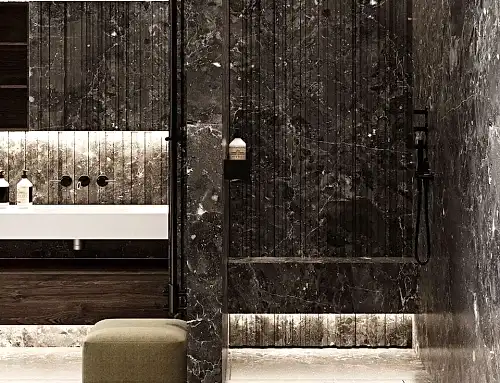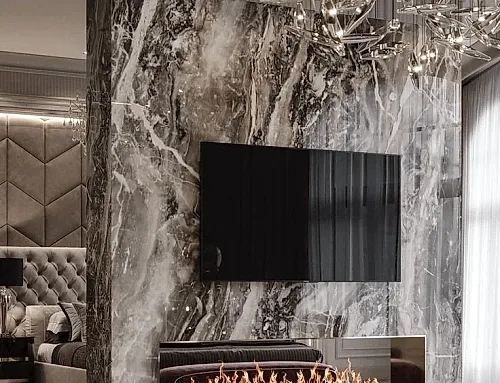

Marble, the symbol of luxury and noble appearance from the past to the present, is an elegant natural stone that is always preferred in homes. Marble countertops bring this grace and elegance to kitchens and bathrooms. With this guide prepared by Mermersa, you can discover every detail from the right choice of marble countertops to their maintenance and discover ways to add a timeless style to your home.

What Makes Marble So Appealing for Kitchens?
Each marble slab is formed naturally, meaning no two pieces are exactly alike. This uniqueness adds a distinctive character to any kitchen.
Marble is highly resistant to heat, which is a major advantage in kitchens. Hot pots or oven trays won’t cause the surface to crack or warp. However, using trivets is still recommended to preserve the color and finish over the years.
If you frequently work with dough, marble countertops offer a great advantage. The naturally cool surface prevents dough from sticking and keeps it from warming up and losing its consistency.
Marble countertops are also resistant to heavy objects and impacts. When sealed every six months or once a year, they’re protected from scratches and stains, making them a durable solution that can last for generations.
Interestingly, the natural wear that develops over time—known as patina—is often seen as a positive feature, especially for those who appreciate vintage or rustic aesthetics. This natural aging process gives marble a unique character and sense of depth, making the countertop feel even more special.
What Should You Pay Attention to When Choosing a Marble Countertop?
1. Countertop Height
The height of your countertop is especially important in high-use areas like kitchens and bathrooms. An incorrect height can lead to ergonomic issues like back, neck, or shoulder pain. While a general range of 87–100 cm (34–39 inches) is considered ideal, the right height can vary depending on the user.
2. Placement and Surrounding Layout
Not considering the available space or surrounding elements when placing the countertop can lead to functional challenges. In tight spaces, an overhanging countertop can restrict movement. It’s also crucial to ensure that cabinet doors and windows can open easily.
Leave enough space between the countertop and other kitchen components like the fridge, stove, and sinks so users can move and work comfortably. In small kitchens, minimizing overhangs can help maximize usable space.

3. Countertop Weight and Support Structure
The cabinets and supporting structures beneath a marble countertop must be strong and stable enough to bear its weight. If the support system is weak, the countertop may sag, crack, or shift over time.
This is especially important for large and heavy countertops, where an evenly distributed support system is essential. Without it, the countertop could pose safety risks and lead to costly repairs in the long run.
4. Plumbing and Safety
Proper placement of electrical and plumbing systems during installation is crucial. Electrical outlets that are too close to water sources pose a safety hazard. In the kitchen, there should be enough outlets for appliances, but they must be located at a safe distance from sinks and other water sources.
Outlets placed too close to the sink can be dangerous due to water splashes. Likewise, plumbing must be aligned properly with the countertop to avoid leaks or poorly designed connections that may cause long-term issues.
5. Measurement and Cutting
Accurate measurement is vital during countertop installation. Even minor miscalculations can lead to misaligned pieces, uneven edges, or poorly fitting seams. Incorrect cuts may cause the countertop to not sit flush against the wall or cabinets, resulting in visible gaps and functional problems.
These errors not only affect the aesthetics but can also require the countertop to be re-cut or adjusted, leading to extra costs and delays.
6. Waterproofing and Protection
The edges and joints of the countertop must be sealed to be completely waterproof. Water infiltration can cause cabinets to swell, damage wood surfaces, and lead to the deterioration of structural components. Poor waterproofing can also result in hygiene issues and mold growth.
That’s why it’s essential to use high-quality waterproofing materials during installation and carefully seal all joints and edges to prevent such problems.
7. Countertop Accessories
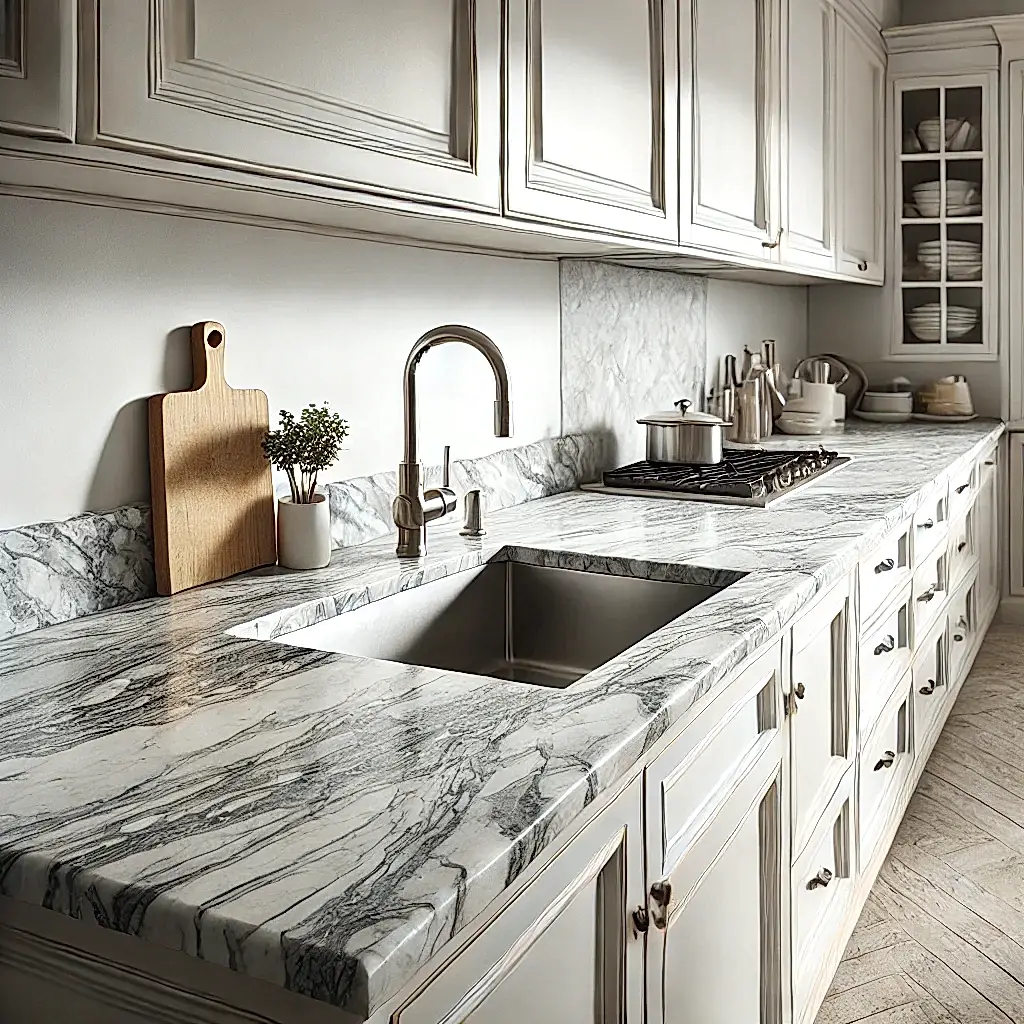
Accessories like sinks, stovetops, and faucets must be compatible with the countertop. If a large sink or stovetop is installed without leaving enough surrounding space, the working area on the countertop can become cramped. Poorly positioned fixtures may not only reduce functionality but also disrupt the overall visual harmony of the design.
Therefore, planning these elements carefully and ensuring compatibility with the countertop before installation is essential. The right choice of accessories is key to creating a space that is both stylish and functional.
8. Cleaning Marble Countertops
To ensure the longevity of marble countertops, regular and proper maintenance is essential. Avoid acidic cleaners, as they can damage the surface and dull its shine. When acidic foods like lemon or vinegar come into contact with the countertop, they should be wiped off immediately to prevent damage.
Additionally, sealing the marble surface regularly helps prevent the absorption of water and oil stains, prolonging the life and beauty of the countertop.
These details not only enhance the countertop’s appearance but also optimize its practicality in daily use.
Conclusion
Marble countertops offer both elegance and durability for kitchens and bathrooms. With proper care and professional installation, you can enjoy the many benefits of this natural stone for years to come.
Explore the Mermersa collections and discover uniquely crafted designs that add lasting value to your living spaces.